Creating a relaxing and efficient home workspace has become essential for many people working remotely or managing tasks from home. A well-designed workspace can improve focus, reduce stress, and increase overall productivity. Whether you have a dedicated room or just a small corner, these tips will help you transform your area into a comfortable and inspiring environment.
Choose the Right Location
Find a Quiet Spot
The first step is selecting a location with minimal distractions. Look for a quiet corner away from household noise or heavy foot traffic. A dedicated space signals to your brain that it’s time to work.
Consider Natural Light
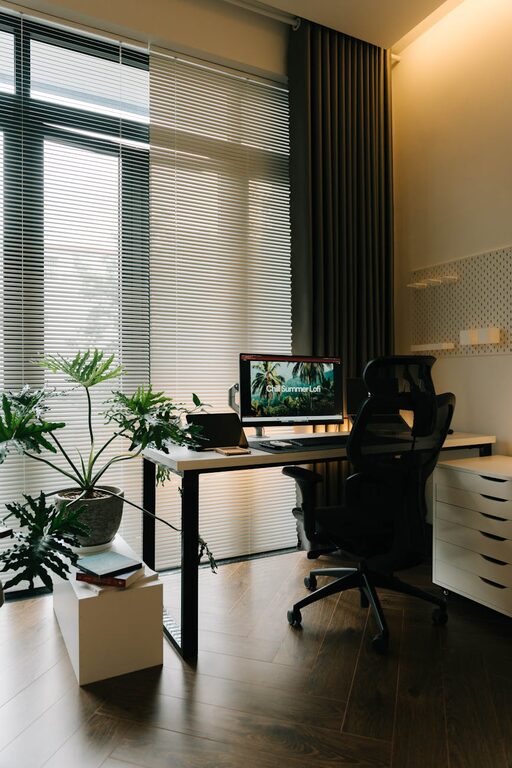
Position your workspace near a window if possible. Natural light boosts mood, reduces eye strain, and helps maintain your body’s natural rhythm during the day. Avoid glare on your computer screen by placing your desk at a right angle to the window.
Invest in Comfortable Furniture
Ergonomic Chair and Desk
Comfort is key for long work hours. Choose an adjustable ergonomic chair that supports your lower back and allows your feet to rest flat on the floor. Pair it with a desk at the right height so your arms rest comfortably while typing.
Make Space for Movement
If space allows, consider a sit-stand desk or a yoga ball chair. Changing positions helps reduce stiffness and keeps you energized.
Organize Your Workspace
Declutter Regularly
A cluttered desk can lead to a cluttered mind. Keep only essential items on your desk and store others in drawers or shelves. This makes it easier to focus and keeps your area looking neat.
Use Storage Solutions
Invest in organizers, trays, or filing cabinets. Label storage containers for easy access to papers, cables, or supplies. Having a tidy space reduces stress and saves time searching for things.
Personalize Your Area
Add Greenery
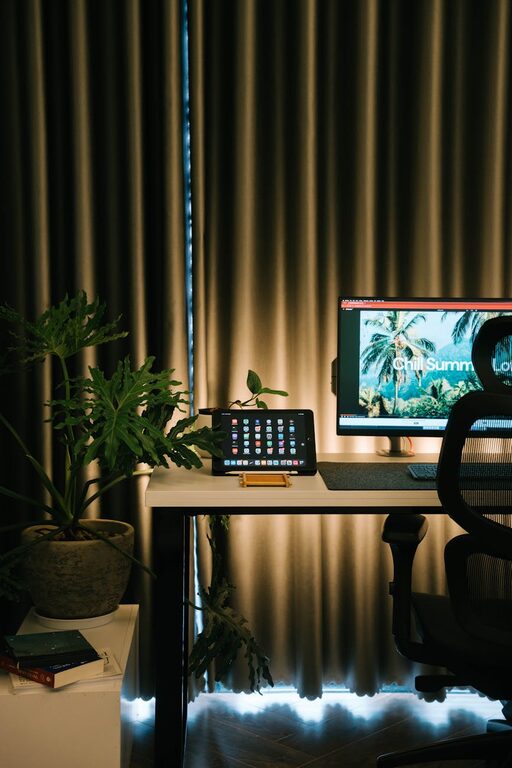
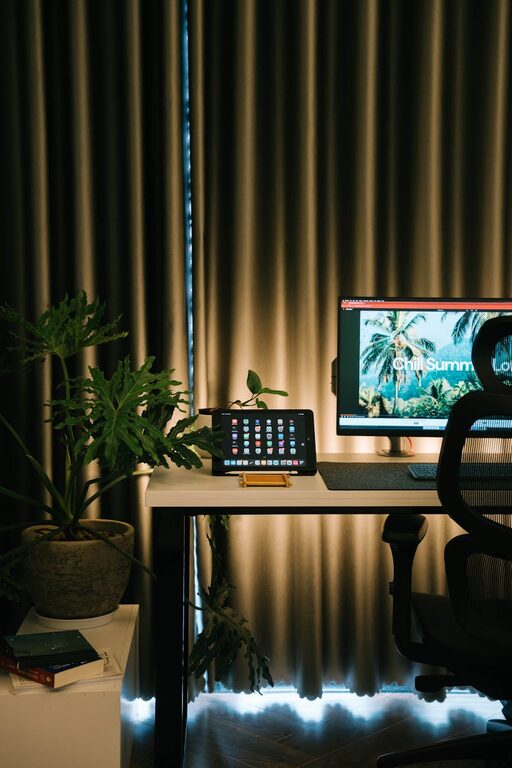
Plants improve air quality and have a calming effect. Small succulents, pothos, or peace lilies are low-maintenance options that brighten up your space.
Incorporate Personal Touches
Photos, artwork, or inspiring quotes can boost your mood and make the space feel welcoming. Avoid too many distractions but a few personal items can enhance your comfort.
Manage Lighting Wisely
Use Task Lighting
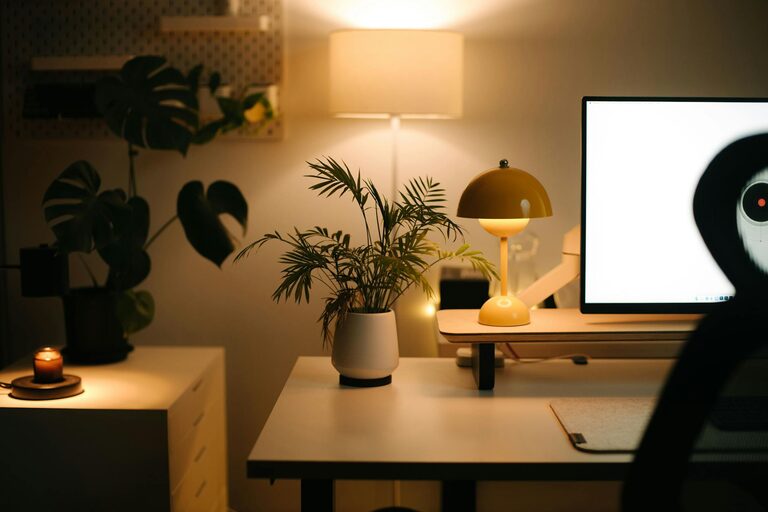
In addition to natural light, a good desk lamp with adjustable brightness helps reduce eye strain, especially in the evening or on cloudy days.
Control Ambient Light
Soft, warm lighting creates a soothing environment. Avoid harsh overhead lights by using lamps or dimmers to set the right mood.
Minimize Noise Distractions
Use Noise-Cancelling Headphones
Headphones can help block out background noise and create a focused bubble, especially in busy households.
Play Soothing Background Sounds
If complete silence feels isolating, try gentle background sounds like white noise, nature sounds, or soft instrumental music to maintain concentration.
Establish Clear Boundaries
Set Work Hours
Define the start and end of your workday. This helps separate professional time from personal time and prevents burnout.
Communicate With Household Members
Let others know your schedule and workspace boundaries to minimize interruptions during work hours.
Keep Technology in Check
Use Cable Management
Tidy cables reduce visual clutter and prevent tangles. Use clips or sleeves to keep cords organized.
Ensure Good Wi-Fi Connectivity
Reliable internet is a must for remote work. Position your router nearby or use a mesh system to avoid lag that disrupts workflow.
Take Breaks and Move
Schedule Short Breaks
Stand up, stretch, or walk around every hour to avoid fatigue. Movement improves circulation and mental clarity.
Create a Relaxation Spot
If possible, have a comfortable chair or area to relax during breaks. This helps clear your mind and recharge for the next work session.
—
Final Thoughts
Creating a relaxing home workspace doesn’t have to be complicated or expensive. By choosing the right location, investing in comfortable furniture, organizing your space, and personalizing it to your liking, you can improve both comfort and productivity. Remember, small changes can have a big impact on your daily work experience. Experiment with different ideas until you find the setup that works best for you.