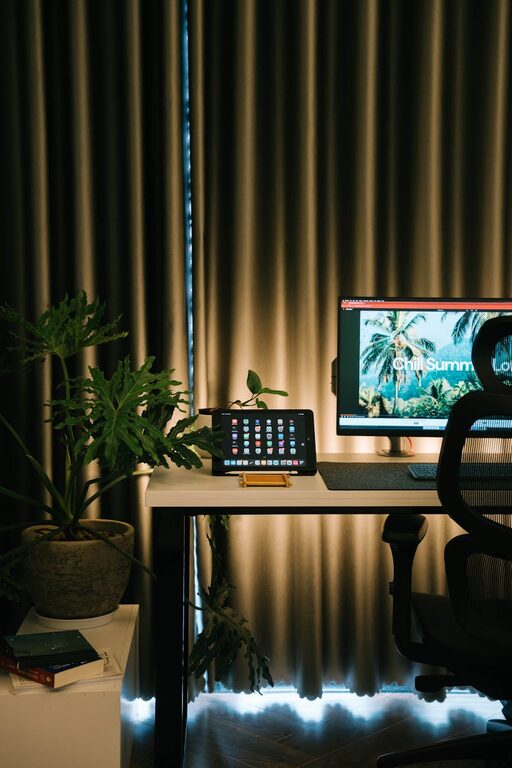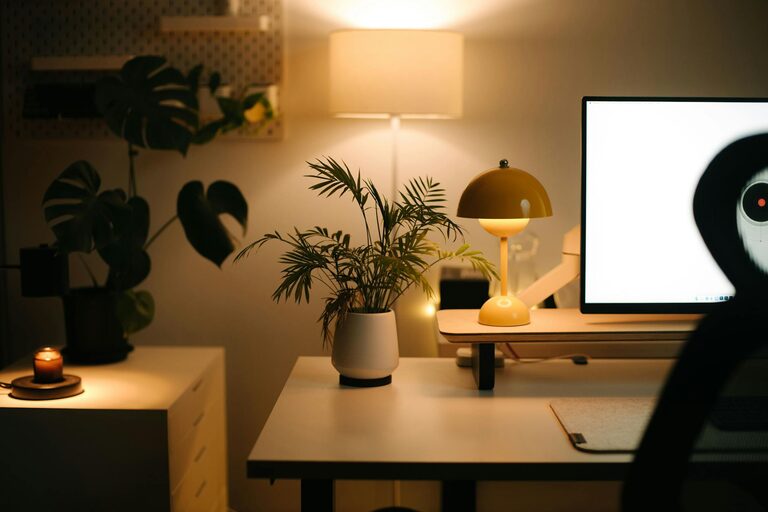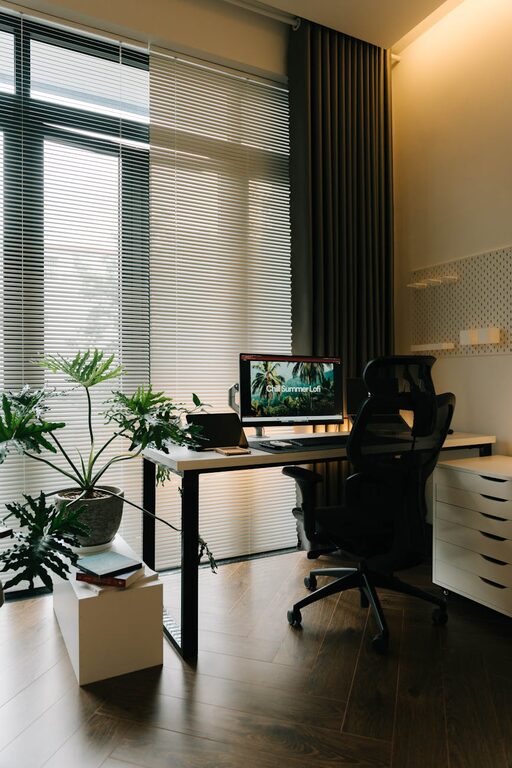
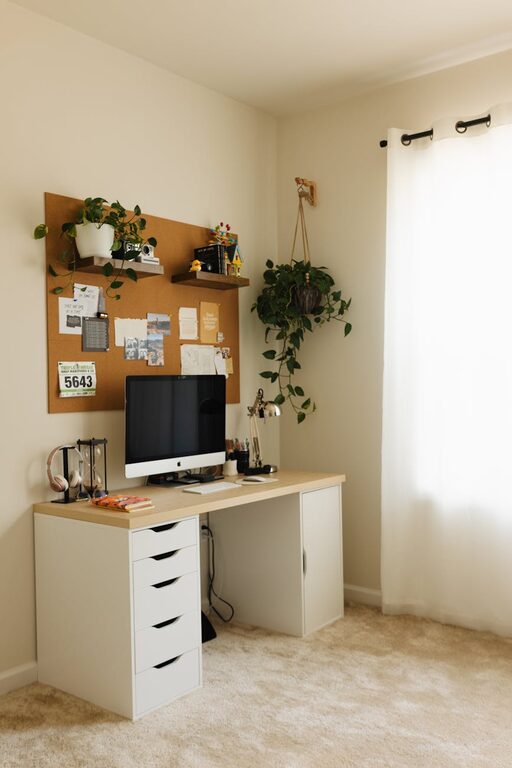
Working from home has become a regular part of life for many people. Whether you’re freelancing, running a small business, or just need a dedicated spot to manage personal tasks, a cozy and productive home office can make a big difference in your daily routine. The right environment can help you focus better, feel more comfortable, and maintain a healthy work-life balance. Here are some tips to design a home office that combines comfort with productivity.
Choose the Right Location
Pick a Quiet, Dedicated Space
Start by selecting a spot in your home where you can work with minimal distractions. If possible, choose a room or a corner away from high-traffic areas like living rooms or kitchens. A separate room with a door is ideal because it helps separate work from relaxation.
Consider Natural Light
Natural lighting improves mood and energy levels. Try to set up your desk near a window to take advantage of daylight. If your room lacks natural light, choose bright but soft artificial lighting to reduce eye strain.
Invest in Comfortable and Functional Furniture
Ergonomic Chair and Desk
Comfort is key for long work hours. Invest in an ergonomic chair that supports your back well and a desk at the right height for typing and writing comfortably. Adjustable furniture can help you stay comfortable and reduce the risk of aches or repetitive strain injuries.
Desk Space and Storage
Your desk should be spacious enough for your computer, supplies, and any paperwork. Include storage solutions like shelves, drawers, or filing cabinets to keep your workspace tidy. A clutter-free desk helps maintain focus and reduces stress.
Personalize Your Workspace
Adding a personal touch makes your workspace inviting. Choose decor and accessories that inspire and motivate you.
Use Colors Wisely
Colors affect mood and productivity. Soft blues or greens promote calm and focus, while brighter shades like yellow can boost creativity. Use colors that make you feel comfortable and energized.
Add Plants
Indoor plants bring life to your office and help purify the air. They also reduce stress and increase productivity. Low-maintenance plants like succulents or spider plants are great choices.
Incorporate Inspirational Items
Photos, artwork, or meaningful objects can make your space feel more welcoming and remind you of your goals.
Organize for Efficiency
Keeping your home office organized is essential for productivity. Here are some organization tips:
– Use Cable Management: Keep cords and chargers neat to avoid tangles. Cable clips or boxes work well.
– Create Zones: Designate specific areas for computer work, phone calls, and filing. This reduces clutter and improves workflow.
– Use Labels: Label drawers or boxes for easy access to items.
– Declutter Regularly: Set aside time weekly or monthly to tidy up your space.
Manage Noise and Distractions
Working from home means there can be many distractions.
– Use Noise-Cancelling Headphones: These can help you focus in noisy environments.
– Background Music or Sound Machines: Some find white noise or soft music helps concentration.
– Set Boundaries: Communicate your work hours to family or housemates to minimize interruptions.
Maintain Good Lighting and Air Quality
Proper lighting and fresh air contribute to well-being and productivity.
– Supplemental Lighting: A desk lamp with adjustable brightness can help you work comfortably during darker hours.
– Air Quality: Open windows when possible for fresh air and consider an air purifier if needed.
Set a Routine and Personal Comfort Rules
Creating habits around your home office helps reinforce productivity.
– Regular Breaks: Stand up, stretch, and move around every hour.
– Dress for Work: Even if you’re at home, dressing in work-appropriate clothes can improve mindset.
– Keep Hydrated: Keep water nearby to stay refreshed.
Technology Setup
A smooth technical setup reduces frustration and downtime.
– Reliable Internet: Ensure your internet connection is fast and stable.
– Essential Equipment: Invest in a quality keyboard, mouse, and monitor that suit your work.
– Backup Solutions: Use cloud storage or external drives to safeguard your files.
—
Designing a cozy and productive home office takes a little planning, but the benefits are worth it. When your workspace feels good and functions well, you can work more comfortably and efficiently. Start with small changes and adjust as you discover what works best for you, turning your home office into a place where productivity and comfort go hand in hand.